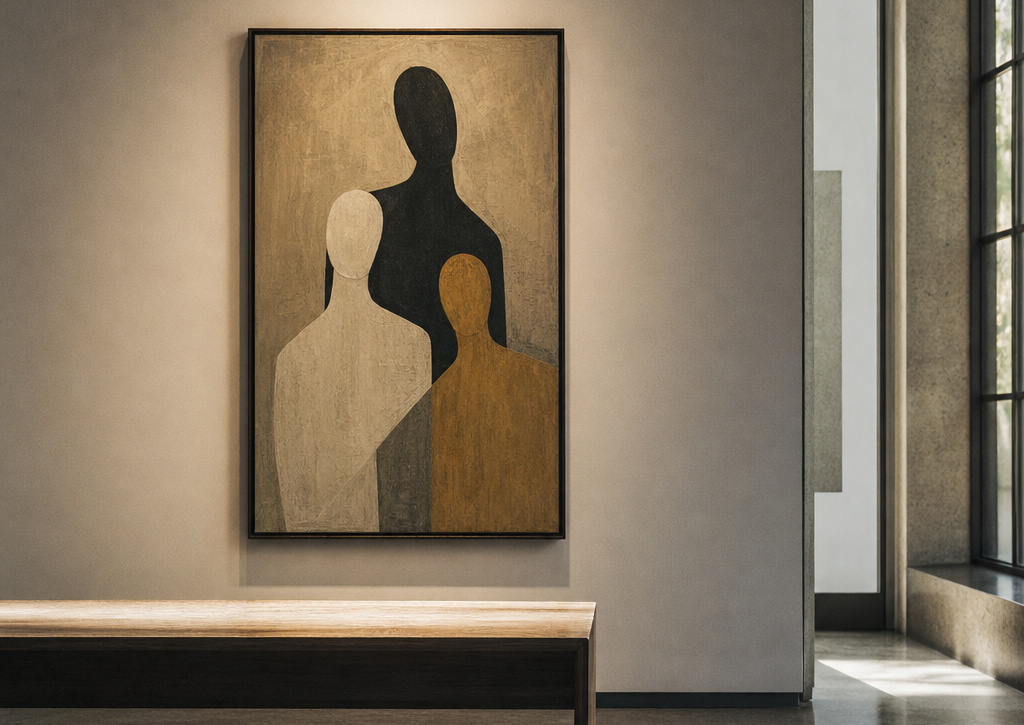
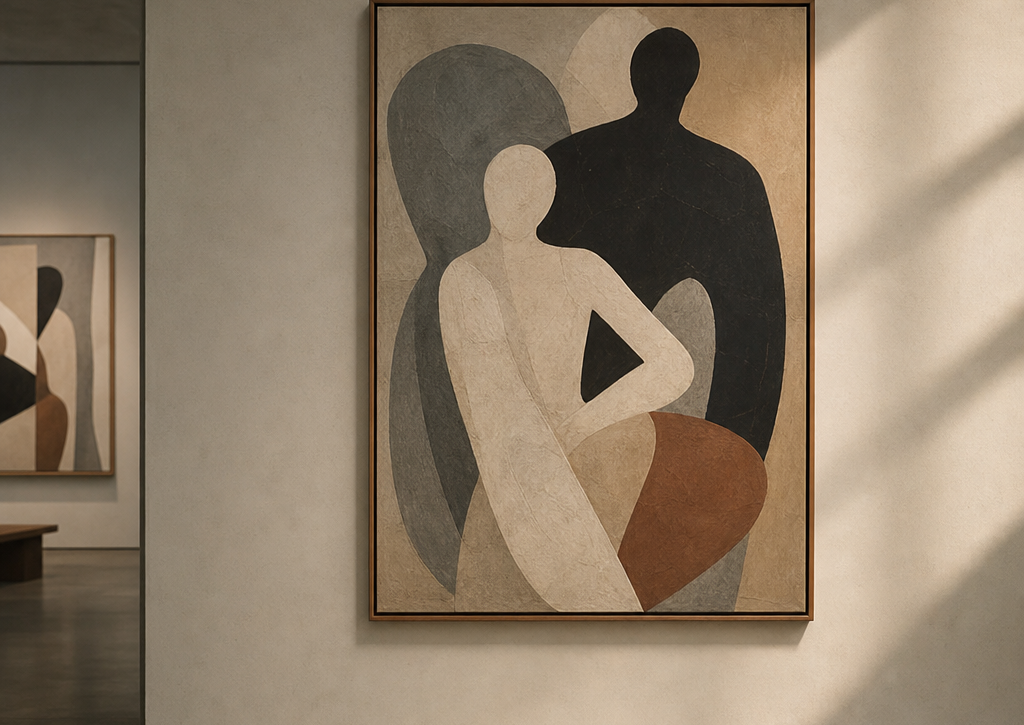
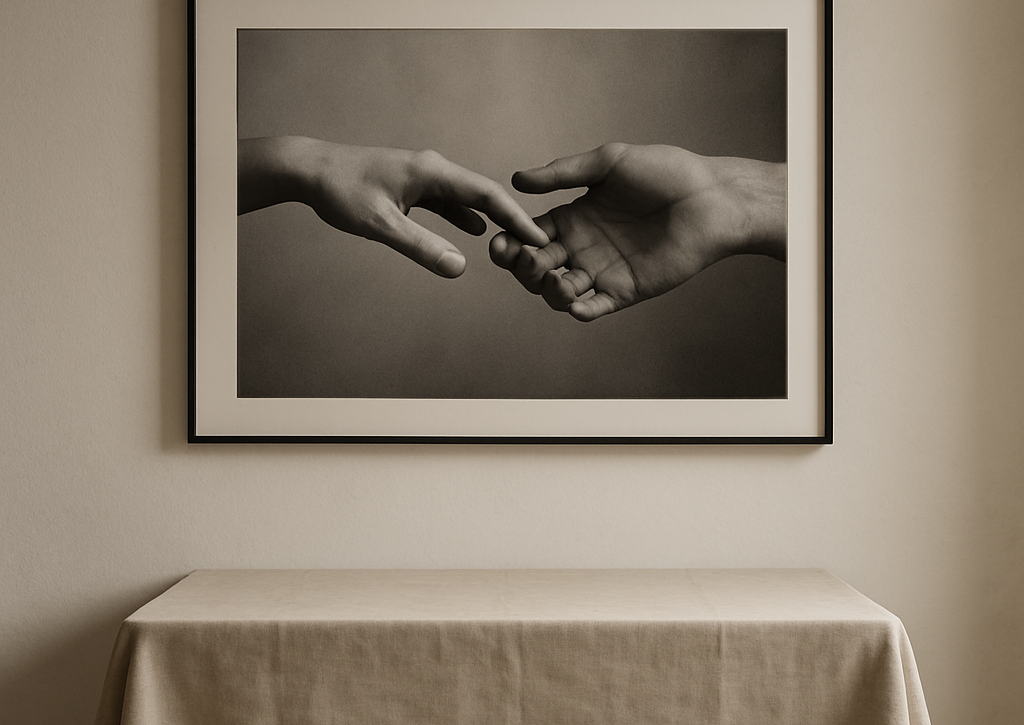
A single gesture, a glance, or a delicate trace of graphite can provoke more than any explicit image. Where, then, does erotic art end and pornography begin?
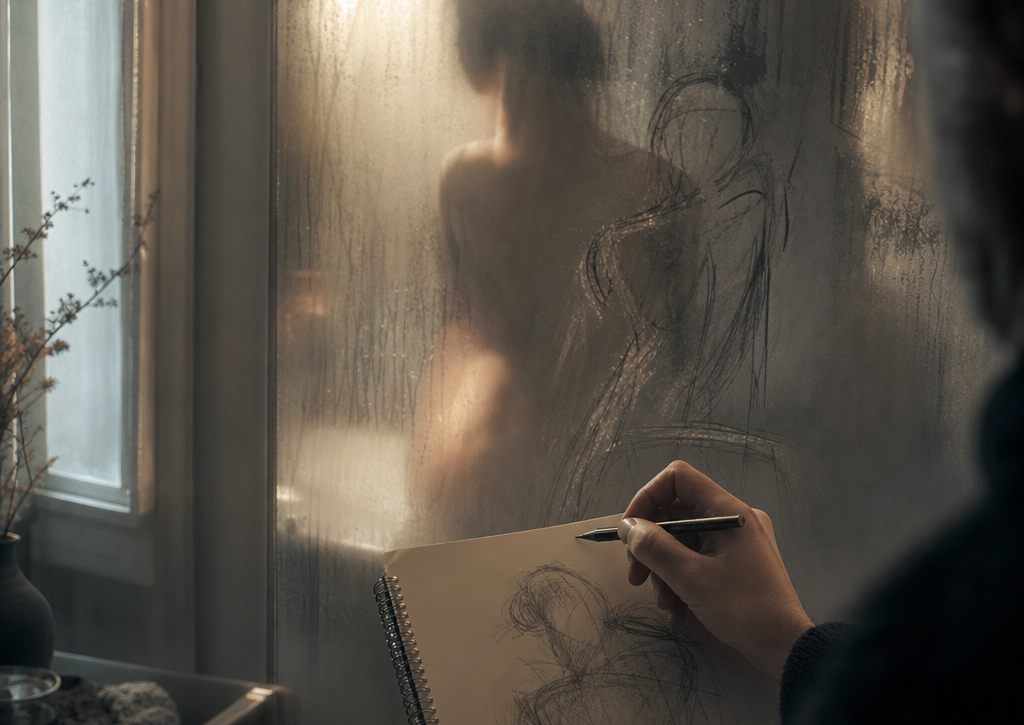
Helmut Newton’s photography is instantly recognizable: stark lighting, poised bodies, and a sense of narrative tension set his images apart in the history of erotic art.
Displaying erotic art at home is a study in balance: between allure and restraint, intimacy and openness, visual pleasure and personal context.
From Pompeii’s secret rooms to today’s digital prints, erotic art has reflected changing ideas of beauty, pleasure and transgression across centuries.
What makes an artwork feel private? Examining intimacy, secrecy and the viewer’s gaze, this piece explores how privacy is constructed within art itself.
Buying erotic art online means navigating desire, privacy, quality and taste. Here’s how to approach the process with discernment, curiosity and confidence.
Can erotic art be elegant? Examining gestures, materials and restraint, this essay traces the delicate boundary where desire meets visual refinement.
Why does erotic art, however skillful or subtle, so often provoke discomfort or hesitation? Unpacking the tangled feelings behind our gaze reveals desire, shame, curiosity and control.
A subtle gesture on paper can be more provocative than any explicit scene. Where, then, does erotic art end and pornography begin? The line is not drawn in ink.
Tasteful erotic art resists easy formulas, balancing desire and restraint through composition, material and intent. But what defines that elusive distinction?