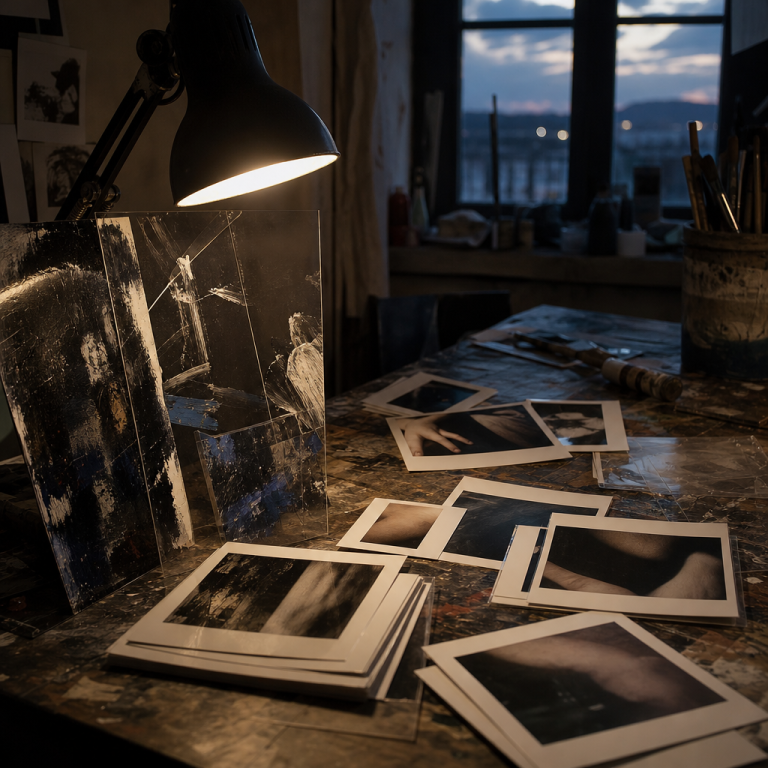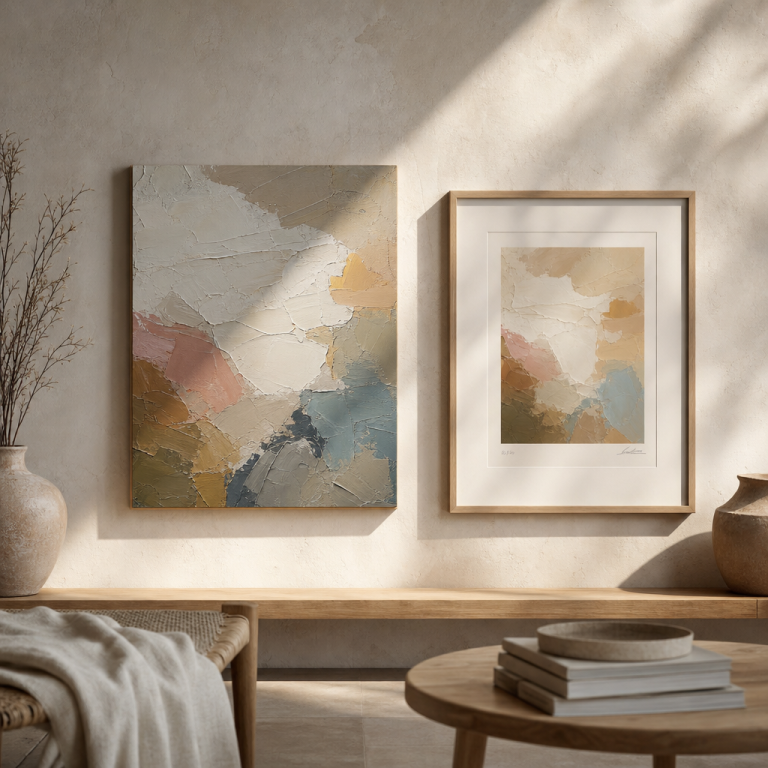
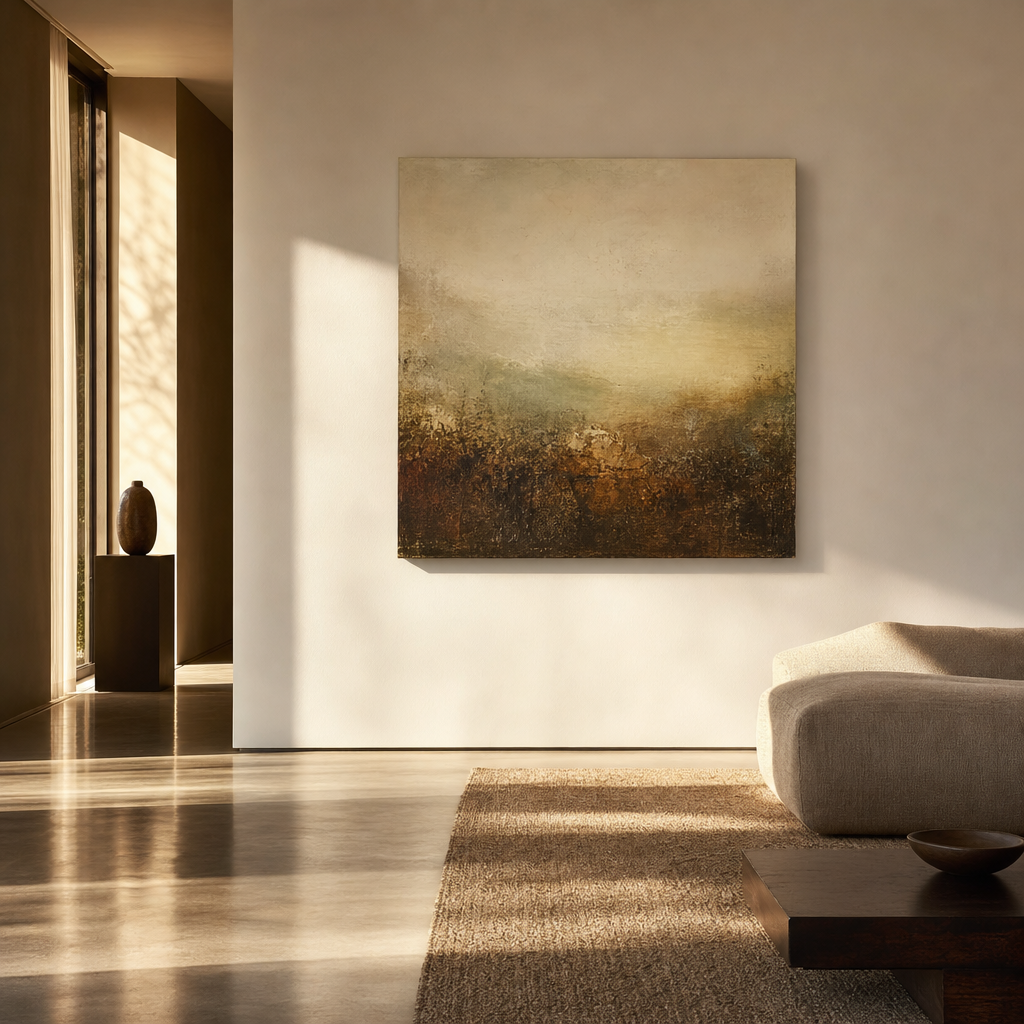
On a quiet afternoon, sunlight skims the surface of an oil painting: a table set for no one, a slant of shadow suggesting that someone has just left or is about to arrive. The work is modest in subject, yet something about its presence commands attention. It is not the subject matter that draws the eye, but the surface itself—the careful layering of paint, the subtle interplay of light, the sense that the painting belongs both to this moment and to some longer tradition. You might notice the clean, confident brushwork, the depth of the canvas, or the weighty hush that seems to settle over the room. This is not a painting that shouts its worth, but one that whispers it. Yet, in a world where the gold frame and a famous signature can inflate a work’s aura, what really makes an artwork look expensive? Is it the material—oil, bronze, marble—or the mastery? Is it rarity, a sense of exclusivity, or simply the knowledge that others desire it? The question is neither trivial nor purely commercial. For centuries, collectors, artists and onlookers have read the signs of value in art, sometimes trusting their eye, sometimes following fashion. The answer is not only in the bank statement, but also in the mood an artwork sets, the company it keeps, and the quiet signals it sends. The illusion of expense is constructed—sometimes meticulously, sometimes by accident—across centuries, styles and settings.
To call something “expensive-looking” is not to make a neutral observation. It is to touch on questions of taste, aspiration, and social display. What one person sees as refined or luxurious, another may find gaudy, cold or even bland. The signals that suggest value—materials, scale, technique—are shaped by history and context, and their meaning can shift with the light.Some artworks look expensive because they combine visual refinement with a suggestion of exclusivity, technical mastery, and the subtle but unmistakable cues of rarity. Yet these signs are as much about collective desire and cultural coding as they are about intrinsic worth.
The Lure of Materials and Surface
Many viewers begin with materials. The silky impasto of oil paint, the luminous depth of a bronze, the cool authority of marble or glass: historically, these substances have signaled not only artistic ambition but also financial investment. Oil on canvas, in particular, has long been associated with seriousness and gravity in Western art. Even today, the tactile evidence of time-consuming processes—layered glazes, textured brushwork, or labor-intensive carving—can lend an air of value, regardless of the subject’s modesty.
Scale, Finish and the Aura of Precision
Size often matters, but not always as one expects. Monumental canvases and sculptures naturally dominate a space and, historically, were reserved for public commissions or grand patrons. Yet, even small works can radiate expense if they possess an unusually refined finish. The evenness of a painted surface, the seamless joining of a sculpted limb, or the meticulous drawing of a line can all function as subtle signals of mastery. Precision—paired with restraint—often reads as luxury, whereas fussiness or overworking may diminish an artwork’s authority.
Context: Frames, Placement and the Company Art Keeps
Nothing influences the perception of value quite like context. The heavy, gilt frame, the museum-style lighting, and the silent, uncluttered room all contribute to the aura of expense. Placement among other esteemed works, or simply in a setting that refuses the chaos of the everyday, reinforces the illusion. Even a contemporary work, if hung with intention and given space, can appear precious. The ritual of how an artwork is displayed—on pristine walls, under soft light—becomes part of its value apparatus.
Technique, Restraint and the Whisper of Mastery
Technical skill is a perennial marker of value, but it is not always loud. A painting that reveals control without ostentation, or a drawing that suggests more than it states, can evoke the quiet confidence of old money. In contemporary works, this restraint often manifests as a mastery of mood rather than overt virtuosity. For instance, Ioana Iacob’s ‘POV’ exemplifies how an unassuming domestic scene, rendered with sensitive attention to light and texture, can look quietly expensive. The allure lies in how the painting’s atmosphere outpaces its subject matter, leaving an afterimage of refinement.
The Power of Rarity, Provenance and Fashion
Rarity remains a reliable—if sometimes misleading—signal. A unique work, or one with a known lineage of ownership, accrues an aura of exclusivity. The story behind the object—its creator, its journey, its scarcity—can transform a modest artwork into something coveted. Yet, fashion plays its part. What appears expensive in one era may seem dated or ostentatious in the next. The codes of value are as much about what is in vogue as about what is inherently precious.
There is no universal formula for what makes an artwork look expensive. A painting hung in a white-walled gallery may lose its aura in a cluttered hallway. Likewise, a work once dismissed as kitsch can, under the right circumstances, acquire cachet. Some artists deliberately subvert the signals of value, using cheap materials or ironic references to question what expense even means. The sense of value is as much a performance as it is a property—fragile, contingent, and ever susceptible to reversal.
To see what makes an artwork look expensive is to train the eye to notice not only materials, finish and context, but also the subtler choreography of display, restraint, and desire. Rather than relying on fixed formulas, a collector or viewer might attend to atmosphere: does the artwork command its space with quiet certainty? Is there evidence of care in its making, and respect in its display? Knowing these cues—while remaining alert to irony and change—can help anyone navigate the shifting boundaries between genuine value and mere performance.
Returning to that sunlit canvas, its value is not simply in the materials or the frame, but in the hush it brings—the sense that the room, for a moment, becomes a place apart. Expensive, perhaps, because it makes the ordinary feel rare.